
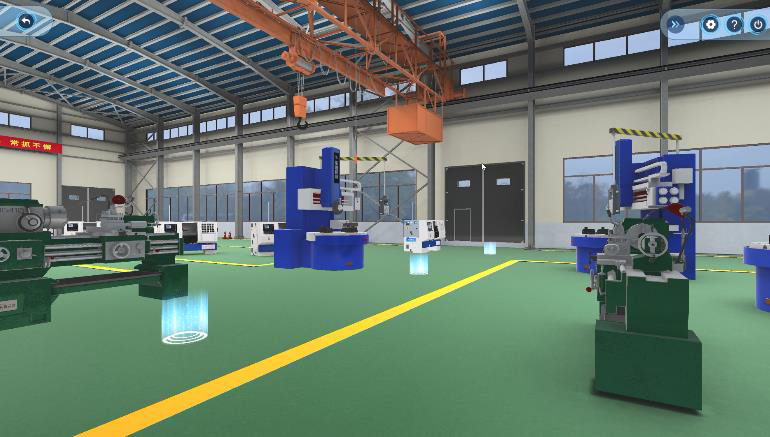
In modern manufacturing and technical education, mastering lathe machine operations is a foundational skill for machinists, engineers, and vocational students alike. Traditionally, learning lathe operations has required direct access to physical machines in workshops where a setup that, while valuable, presents challenges such as safety concerns, material costs, limited machine availability, and scalability for large student groups.
Today, Lathe Machine Software Simulation has emerged as a ground-breaking solution that bridges the gap between theory and hands-on experience. This advanced simulation software recreates the operation of lathe machines in a virtual environment, enabling learners to practice, experiment, and master skills with minimal risk and cost.
What is Lathe Machine Simulation Software?
Lathe machine simulation software is a virtual interactive training tool that replicates the functions, controls, and behaviours of real lathe machines in a simulated digital workshop. Users can interact with virtual lathes, program machining paths, test cuts, observe tool movement, and gain real-world insights without requiring actual machines.
While specific product details from the Weldmart page are not shown here directly, the concept aligns closely with other CNC and machining simulation tools used globally: software that enables learners to simulate G-code, machine axis motion, tooling, and part production before stepping onto a physical machine.
Why Lathe Simulation Software is Essential Today
1. Safe Training Environment
Machining involves high-speed rotating parts, sharp cutting tools, and heavy components that all of which carry risk, especially for beginners. Simulation software provides a safe, risk-free environment where users can make mistakes without danger. By practicing virtually, learners build confidence and understanding before engaging real equipment.
2. Cost-Effective Learning
Physical machining consumes materials, tooling, and machine time, which can quickly become costly especially in educational settings where repeated practice is needed. Simulation eliminates material waste, tool wear, and machine dedication time, making training far more cost-effective and scalable.
3. Enhanced Skill Development
Lathe simulation software enables hands-on practice of programming, setup procedures, and machining logic in an interactive way better reinforcing skills than textbooks or classroom lectures alone. Learners can explore different lathe operations, try variations, and visualize the effects of their actions in real-time.
4. Repeatability and Flexibility
One of the greatest strengths of simulation software is the ability to repeat tasks indefinitely without cost or machine downtime. Students can rehearse complex sequences, explore troubleshooting procedures, and master concepts at their own pace which an advantage traditional workshops cannot consistently provide.
Core Capabilities of Lathe Machine Simulation Software
While specific features depend on the product version, modern lathe simulation tools typically include:
Realistic Virtual Machine Models
Software creates a 3D digital twin of a lathe with chucks, turrets, tool holders, spindles, and slides to mimic real machine behaviour. Viewers can watch how tools interact with workpieces, hear machine motion, and observe simulated material removal.
G-Code Programming & Verification
Users can write, edit and run G-code programs directly within the simulation interface and seeing in real time how the code drives machine movements. This practice helps learners understand both programming logic and machining dynamics before any metal is cut.
Collision Detection and Error Alerts
Advanced simulation systems can detect potential collisions between tools, fixtures, and workpieces. These warnings help users identify programming or setup mistakes before they become costly real-world accidents or tool breakages.
Visual Toolpath Simulation
Rather than relying solely on code, students can visualize tool paths and cutting trajectories. This visual feedback deepens comprehension about how feeds, speeds, and cutting logic translate into physical outcomes.
Who Benefits Most from Lathe Simulation Software?
Technical and Vocational Students
Students in trade schools, universities, and community colleges gain valuable experience by practicing machining techniques without waiting for workshop access. Simulation accelerates learning and prepares them to transition successfully into hands-on environments.
Educators and Trainers
Instructors can integrate simulation software into curriculum plans to complement physical lab time, assign virtual exercises, track progress, and assess competency. Simulation also allows class sizes to grow without being limited by machine availability.
Industry Professionals
Manufacturers use simulation tools to test programs, validate machining strategies, and train new staff. By verifying code virtually, companies can reduce scrap rates, decrease setup times, and improve overall productivity.
The Future of Machining Education
Lathe machine simulation software represents a fusion of digital learning and practical skill development. It enables institutions and companies to unlock:
Faster onboarding of new operators
Reduced training budgets
Improved safety outcomes
Higher skill retention and proficiency
As the manufacturing sector evolves, adopting such simulation tools ensures that learners and professionals stay ahead of industry demands also equipped with precision, confidence, and hands-on experience before working with expensive, real-world machinery.
Conclusion
Lathe Machine Software Simulation is rapidly becoming a cornerstone of modern vocational training, bridging the gap between theory and practice. By combining realistic machine behaviour, interactive programming environments, and risk-free experimentation, this software empowers learners and industries to cultivate highly skilled machinists ready for the challenges of today’s precision manufacturing sector.
If you’re looking to enhance training, reduce operational costs, and improve student outcomes, incorporating lathe simulation into your educational or industrial programs is a forward-thinking investment that delivers real results.
Contact us now for more details
Tel: 05-3665621 / 019-3132353
Email: info@weldmart.com.my
Address: No. 3 & 3A, Persiaran Batu Gajah Perdana 7,
Pusat Komersial Batu Gajah Perdana,
31550 Pusing, Perak.